 Loading

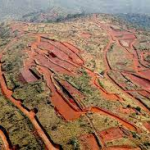 Guinea has reached an agreement with Rio Tinto and a Chinese-backed consortium to resume operations at the huge Simandou iron ore deposit, after resolving disputes over infrastructure.
According to the Guinean government, Simandou contains more than 4 billion tonnes of ore, making it the largest known deposit, but despite the ore being of high grade, Simandou has remained untapped decades after its discovery, mainly due to legal disputes and political instability.
Guinea’s transitional authorities reported this month that development of the site would be halted while clarification was sought on how Guinea’s interests would be preserved.
The government’s move was seen as a way of putting pressure on Rio and Winning Consortium Simandou to find a way to collaborate on the expensive infrastructure needed to transport the ore from Simandou to the port.
Mining Minister Moussa Magassouba reported that a framework agreement had been signed between the government and the companies involved in the project – Rio Tinto, the Aluminium Corp of China (Chinalco) and the Chinese-backed SMB-Winning consortium.
Magassouba wants infrastructure projects to be completed by December 2024 and commercial production to begin by 31 March 2025, a timeline that analysts say is ambitious given the enormity of the infrastructure that needs to be built.
The deal is mainly about developing a 670-kilometre (419-mile) railway from the Simandou site to a new deepwater port, a plan Magassouba said would cost about $15 billion.
The government negotiated and obtained a 15 percent stake in the railway, port and mines, while the new infrastructure will become the property of the Guinean state once completed. This framework agreement will enable the joint development of this gigantic project and allow the process to be accelerated and work to resume.
The framework clearly outlines the key principles for all parties to work together on the co-development of the infrastructure and sets out how the project will be built in accordance with international environmental, social and governance standards.
Once fully operational, Simandou is expected to produce 100 million tonnes of iron ore per year.