 Loading

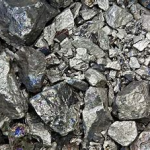 The Southeast Asian country reported Wednesday that it is studying a progressive tax on nickel and ferronickel exports that could be imposed as early as this year. Concerns about fewer shipments from the world’s largest nickel supplier have sent the London Metal Exchange benchmark to its highest in more than a decade.
That threatens to drive up costs for Chinese steel mills, the biggest users, as well as join a string of raw materials that are becoming a nightmare for battery makers.
Indonesia has played a key role in global markets as a supplier of bulk materials, but President Joko Widodo has pledged to halt exports of all raw materials in order to turn the country into a major production center for electric transportation. The government signaled in September that nickel restrictions were looming, and that it would halt shipments of bauxite and copper, with the ultimate goal of producing all EV components, including lithium-ion shore batteries.
The main concern for Chinese industries is their dependence on Indonesia for the supply of ferronickel, a semi-refined product used to make stainless steel. The country gets about 84% of its imports from Indonesia, with Japan, Colombia, Myanmar and New Caledonia accounting for the rest.
While specifics such as timing and tax rates remain uncertain, Chinese mills will have to accept the “reality” of higher costs due to the industry’s dependence on Indonesia. Higher nickel prices also bring further pain to battery manufacturers, who are already “very uncomfortable” with high raw material costs.
Battery metals are in the grip of an unprecedented boom amid a global push to mitigate climate change, with lithium rising to new records and cobalt doubling in the past year. The persistent rally may push up the cost of a battery for the first time since at least 2010, hurting automakers and risking putting consumers off buying an EV.