 Loading

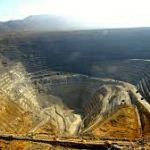 Newmont will make a decision on a $2 billion investment in its Yanacocha mine in the Cajamarca region of northern Peru before the end of the year, according to CEO Tom Palmer.
Newmont plans to develop the first phase of sulfide deposits and an integrated processing circuit, including an autoclave for processing gold, copper and silver feedstock.
Construction will take about two and a half years, so the project is expected to begin operations in 2026.
It would add 500,000 gold-equivalent ounces per year to the mine’s production, with maintenance costs between $700 and $800 per ounce for the first five full years of operations.
As the oxide resources at the Yanacocha open pit mine are near depletion, the project is designed to continue mining sulfide material underground.
The first phase focuses on developing the Yanacocha Verde and Chaquicocha deposits to extend operations beyond 2040. The second and third phases have the potential to extend the life of the mine for “multiple decades.”
All new infrastructure will be built within the existing mine structure and the project will incorporate remote technology to conduct real-time inspections.
Asked about the incoming government of leftist Pedro Castillo, Palmer reported that the company was ready to engage in discussions over the next six months, adding that he was optimistic about the outcome.
“We’ve been in Peru for 30 years. The Yanacocha Sulphides project will position us to be in Peru for at least another 30 to 40 years.”
About two-thirds of Yanacocha’s revenue is reinvested in the local economy in wages, taxes, goods and services, as the operation directly employs 1,400 workers and supports another 40,000 Peruvian jobs. Two-thirds of the mine’s workers are residents of Cajamarca.
Peru experienced one of the worst political crises in its history in November of last year, witnessing three heads of state in one week after a battle between the presidency and Congress, along with violent protests.
During a tense and polarizing electoral process, the rural union activist from a Marxist party vowed to nationalize energy assets, halt some projects and take a greater share of mining earnings to fight poverty.
Castillo’s growing popularity surprised investors and fueled concern that a more onerous operating environment would jeopardize projects needed to meet growing global demand for copper.