 Loading

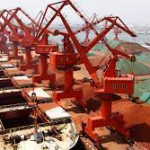 The price of iron ore sank below $100 a tonne on Friday for the first time since July 2020, as China’s moves to clean up its heavily polluting industrial sector caused a rapid and sharp collapse.
The Ministry of Ecology and Environment planned to involve 64 key control regions during the winter air pollution campaign.
The regulator reported that steel mills in those regions would be urged to cut production according to their emission levels during the campaign from October until the end of March. Tight controls on production have pushed market prices lower recently, and the pessimistic outlook for demand has intensified.
Prices have more than halved since their peak in May as the world’s largest steelmaker tightens production restrictions to meet its target for lower volumes this year, and a sharp downturn in China’s property sector impacts demand.
The slump in iron ore makes it one of the worst performers among major commodities and a notable exception in a broader boom that has seen aluminium rise to a 13-year high, gas prices jump and coal futures soar to unprecedented levels.
Meanwhile, steel prices are still high. The market remains tight on supplies as China’s production cuts significantly outweigh the drop in demand.
Rebar is close to its highest since May, although it has lost 12% from that month’s highs, and stocks nationwide have been shrinking for eight weeks.
China has repeatedly urged steel mills to cut production this year to curb carbon emissions. Now, winter restrictions are looming to ensure cleaner skies for the Winter Olympics.